Checklist for a healthy summer: Strategies to protect you and your family
On this page

During the summer, you and your family may have plans to travel, spend more time outside, and take part in typical summer activities like swimming, cookouts and picnics, and working in the garden. To lower the risk of your summer fun being interrupted by illnesses or injuries, take some time to proactively protect yourself from common summer health issues like sunburn, heat-related illness, accidents, and more. This checklist and connecting with your health advisor can help you build a personalized strategy for a healthier, safer summer.
Travel: Plan ahead for peace of mind
If you’re traveling either within the U.S. or overseas this summer, there are several steps you can take to reduce the risk of getting ill or injured and be prepared to handle any health issues that may arise.
- See your primary care provider: If you’re living with a chronic condition like diabetes, COPD, or heart disease and your condition is generally well managed, talk with your provider and ask if there are any steps you should take to make sure your condition remains under control while you’re away from home. For example, if you’re living with lung disease, high altitude vacation destinations may mean you need supplemental oxygen or a plan to safely acclimate to the decreased oxygen available before taking on any taxing activities like hiking or running.
- Plan ahead for issues related to prescription medications: If you take medication, ask for paper copies of your prescriptions so you can have them refilled if you lose your medications and make sure you have enough medication for the full duration of the trip. Keep your medications in your carry-on luggage and, if you’re traveling overseas, consider keeping your medications in their prescription bottles rather than a pill case. It’s also wise to check to see if your medication is permitted in any country you’re traveling to. In Japan, for example, it is illegal to possess ADHD stimulant medications like Ritalin and Adderall. If the medication you take is illegal in the country you’re traveling to, talk with your doctor about finding a substitute that is permitted. Having your original prescription and a letter from your doctor explaining your condition and the medications you take to manage it can help a local doctor at your destination prescribe replacement medications if yours are confiscated by customs or lost in transit.
- Find out if you need pre-trip vaccines: Depending on where you’re traveling, you may need immunizations against diseases that are common at your destination. Your health advisor can connect you with a travel medicine specialist who can provide the needed vaccines and advice on precautions to lower your risk of being exposed to diseases.
- Rely on your advisor: Your advisor can also help you identify local medical resources, including available healthcare providers if you need medical support during the trip, the best local hospitals to seek care, important emergency information and phone numbers for the region, and information about medical evacuation.
Stay safe in the sun
More time outside means more exposure to UV rays and heat, so it’s important to make sure you protect your skin and avoid heat-related illness.
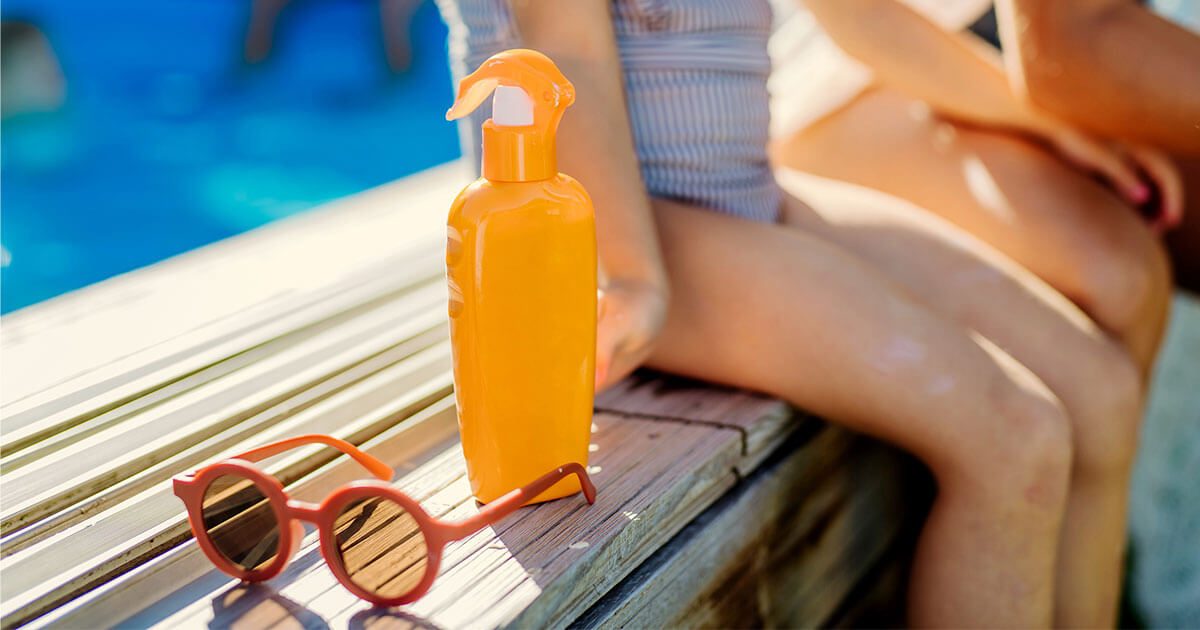
- Lower your risk of skin cancer. Skin cancer is the most common cancer in the U.S., but there are steps that can lower that risk. As much as possible, limit the amount of time you’re outside when the sun’s rays are strongest (10 a.m. to 4 p.m.). You can check how strong UV rays are on the EPA’s UV index. Use sunscreen every day, all year round, when you’re going to be outdoors. For the most effective protection, apply it 15 minutes before going outside and reapply every two hours or more frequently if you’re in the water or sweating. There are also lightweight UV protective clothes to cover your skin more fully. And don’t forget a hat or sunscreen on your scalp and sunglasses that block 99 or 100% of all UV light, which some manufacturers label as UV absorption up to 400 nm, because UV exposure can increase your risk of developing cataracts or cancers of the eye.
- Avoid heat-related illness: There are three types of heat-related illness: heat cramps (the mild form of illness that causes painful muscle cramps after intense exercise or work when the temperature is high); heat exhaustion (a more serious illness that occurs when you sweat excessively in high heat without replacing the fluid and salts your body loses through sweat); and heatstroke (a life-threatening emergency). To decrease your risk of heat-related illness, wear loose, lightweight clothing and a hat, stay hydrated by drinking water (the average person needs around ¾ of a gallon of water per day), and, if possible, don’t do strenuous activities or exercise during the hottest part of the day.
Make water safety a priority
Oceans, lakes, rivers, ponds, and pools offer a cool escape on hot days, but there’s also the potential for accidents and injuries.
- Swim safely: Stay near the lifeguard if one is available. Teach children to tell someone they’re getting in the water and have an adult keep an eye on them the whole time they’re in the water (accidental drowning is the second most common cause of accidental death in children 15 and under). Children, inexperienced swimmers, and all boaters should wear U.S. Coast Guard-approved life jackets.
- Avoid swimming in rip currents: In the ocean or any body of water with waves like large lakes, check for rip currents before getting in. Some ways to spot a rip current include looking for a channel of choppy water, an area of water that’s a different color than the surrounding surf, a line of foam or seaweed moving quickly out to sea, or a break in the pattern of waves approaching the shore.
- Protect your head and neck. Walk, don’t dive, into the water to get an accurate assessment of the depth. If you are knocked down by a wave, crouch into a ball with your head tucked, and roll with the wave. If swimming in a busy pool, stay alert to avoid collisions with other swimmers and the potential of a concussion.
PinnacleCare support
Staying healthy is an essential element to enjoying your summer. By following proactive strategies and keeping your health top-of-mind this summer, you can maximize the time you are able to enjoy doing what you love. Our team can help you devise proactive strategies to prepare for your trip or get any care you might need while traveling. Connect with our team today to learn more.
PinnacleCare is a member of the Sun Life Financial Inc. (“Sun Life”) family of companies. PinnacleCare and its employees do not diagnose medical conditions, recommend treatment options or provide medical care, and any information or services provided should not be considered medical advice. Any medical decisions should be made only after consultation with and at the direction of your medical provider. Any person or entity who provides health care services following a referral or other service provided does so independently and not as an agent or representative of PinnacleCare.
© 2025 Pinnacle Care International, LLC, Baltimore, MD. All rights reserved.
PCWC-10116-21 #1693930959 07/25 (exp. 07/27)