Sun Safety for Kids: Don’t Forget Their Eyes
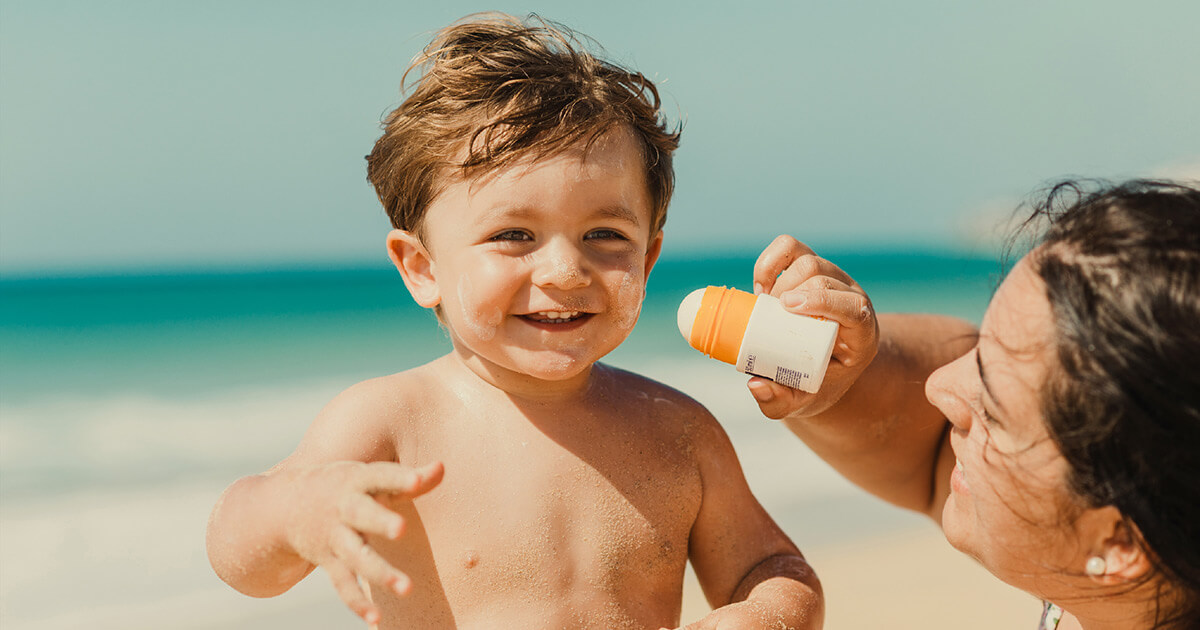

Although most parents are well aware of the need to protect their children’s skin from year‑round ultraviolet (UV) exposure, fewer recognize that UV radiation also poses significant long‑term risks to ocular health. These rays can cause damage on a cellular level and increase the risk of developing skin cancer, the most common cancer in the U.S.
What is often overlooked, however, is that the same radiation that harms the skin can also injure the eyes. UV radiation can increase the risk of a range of eye problems as your child gets older. The best strategy to reduce their future risk is to make eye protection part of your child’s everyday sun protection routine.
What you need to know about UV radiation
There are three types of UV rays—UVA, UVB, and UVC:
- UVA rays are the weakest of the three. However, they still cause skin aging, as well as some indirect damage to the DNA in cells, which can increase the risk of skin cancer and many eye conditions.
- UVB rays are stronger than UVA. These rays cause sunburns and can directly damage DNA. Researchers have linked the damage caused by UVB rays to most cases of skin cancer.
- UVC rays are the strongest type of ultraviolet radiation, but they don’t reach the ground because they are largely absorbed by the atmosphere, although damage to the ozone layer may increase the risk from these rays in the future.
UVA and UVB rays vary in strength depending on a number of factors, including:
- Time of day: They’re strongest between 10 a.m. and 4 p.m.
- Season: They’re stronger in the spring and summer, though you still need to protect yourself in the fall and winter.
- Proximity to the equator: The farther you are from the equator, the weaker UV rays are.
- Elevation: UV rays are stronger at higher altitudes.
- Reflective surfaces: UV rays bounce off water, snow, sand, glass, and pavement, amplifying your exposure.
How UV radiation affects the eyes
While UV radiation affects the eyes of both adults and children, children’s developing eyes are more susceptible because they are more transparent and the lenses have not yet started to yellow, a process that occurs with aging and filters some UV light. This means more UV light reaches their retinas. If children’s eyes are not protected from the sun, over time their risk of eye diseases increases because the effect of UV exposure is cumulative.
Ongoing exposure to UV radiation can increase the risk of developing several serious eye conditions, including:
- Cataracts: A cataract is a clouding of the lens that develops when prolonged UV exposure alters and denatures the lens’s structural proteins. These protein changes gradually impair the lens’ transparency, causing cataract formation and progressive decline in visual quality.
- Basal and squamous cell cancers on the eyelid: These are the two most common types of skin cancers overall. Overexposure of unprotected eyes to UV radiation increases the risk of developing these cancers.
- Pterygium (also known as “surfer’s eye”): This is a benign growth on the ocular surface caused largely by chronic UV exposure. This lesion appears as cloudy, wedge‑shaped fibrovascular tissue extending from the inner corner of the eye across the cornea toward the pupil. Although many pterygia remain small and asymptomatic, some continue to enlarge, leading to visual distortion, irritation, and other vision‑related symptoms.
- Photokeratitis: This condition is essentially a sunburn of the eye. It occurs when intense UV exposure acutely damages the cornea and the conjunctiva, including the inner surfaces of the eyelids. This injury triggers symptoms such as marked light sensitivity, ocular pain, redness, excessive tearing, blurred vision, and swelling. Although typically temporary, the condition can be extremely uncomfortable and underscores the importance of consistent UV eye protection.
Steps to protect your children’s eyes from the sun’s damaging UV rays
You’re familiar with all the strategies recommended to protect the skin from overexposure to UV radiation—consistent use of sunscreen year round, wearing clothing that covers the skin, and limiting sun exposure when the UV rays are strongest as much as possible. Be aware that clouds do not block UV radiation, so take steps to protect your children even on cloudy or hazy days. Before they head outside, you can check how strong UV rays are on the EPA’s UV index. Many weather apps also include information on the UV index.
Many of these strategies also apply to protecting your children’s eyes, like limiting exposure when UV rays are strongest. In addition, these steps focus specifically on lowering the eyes’ exposure to UV radiation:
- Keep babies out of direct sunlight. The American Academy of Pediatrics recommends keeping children under the age of 6 months out of direct sunlight.
- Wear a hat. Choose a wide brimmed hat that shields the face, eyes, ears, and neck from the sun.
- Wear sunglasses. Not all sunglasses provide UV protection, so it’s important to choose sunglasses for your child carefully. Tags or stickers on the glasses should list the level of UV protection provided. You want between 95% and 100% or a rating of UV400. Brown, green, and gray lenses provide a higher level of protection. To optimize protection, look for wraparound styles and large lenses. A strap can help keep sunglasses on younger children. It can also be helpful to be a role model. If you wear your sunglasses consistently, your children are more likely to follow suit.
Connect with PinnacleCare
For more information about how PinnacleCare’s Health Advisors could assist you with protecting your children from UV-related issues, connect with us today.